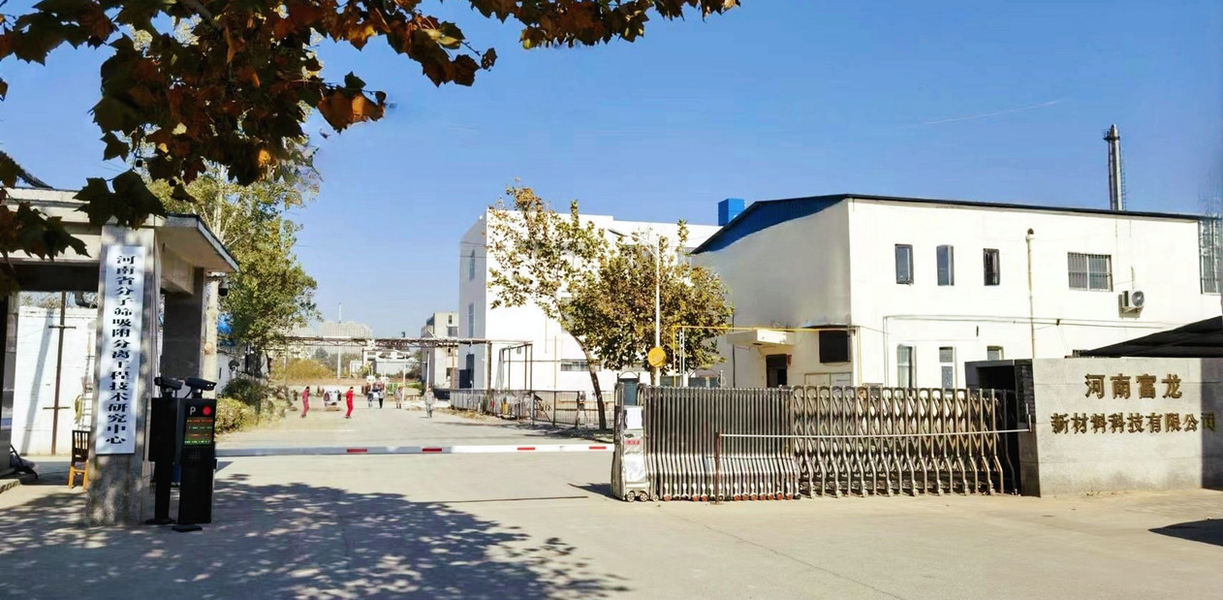
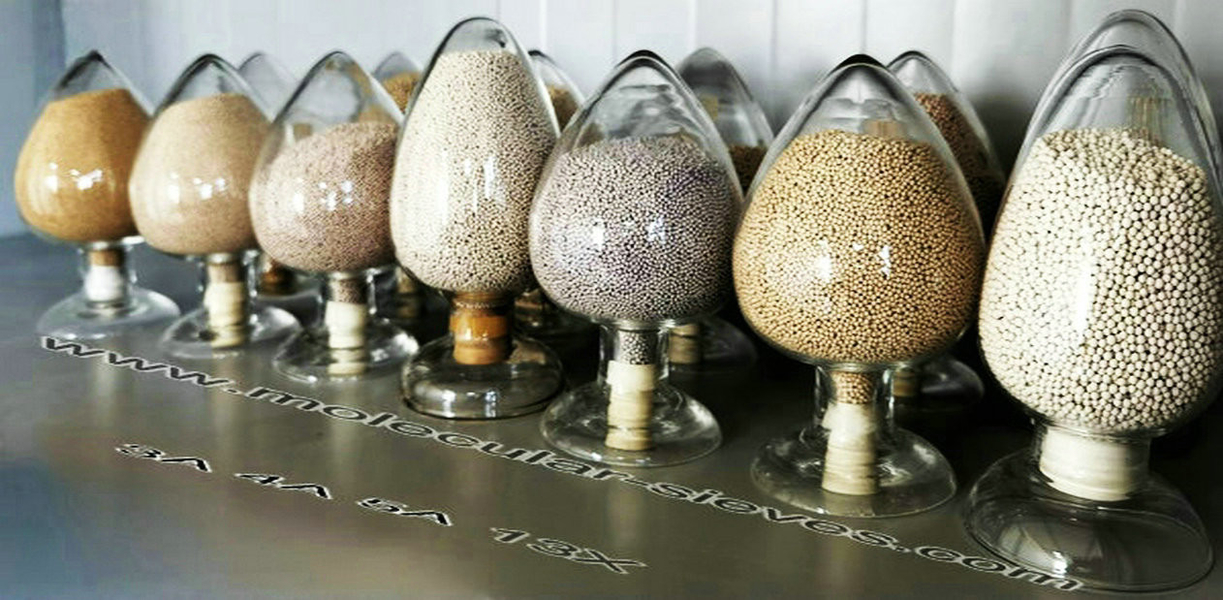
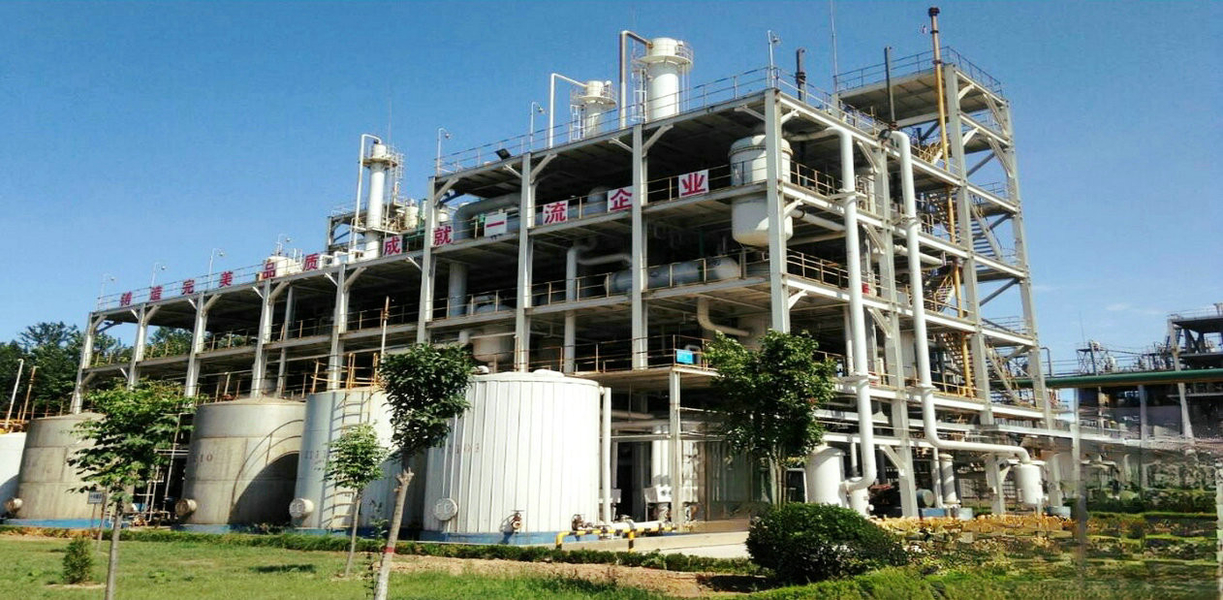
We focus on Molecular Sieves, Petroleum Resins, C5 Hydrocarbon Resin, MTHPA & NMP & NEP products and so on
Your Professional & Reliable Partner.
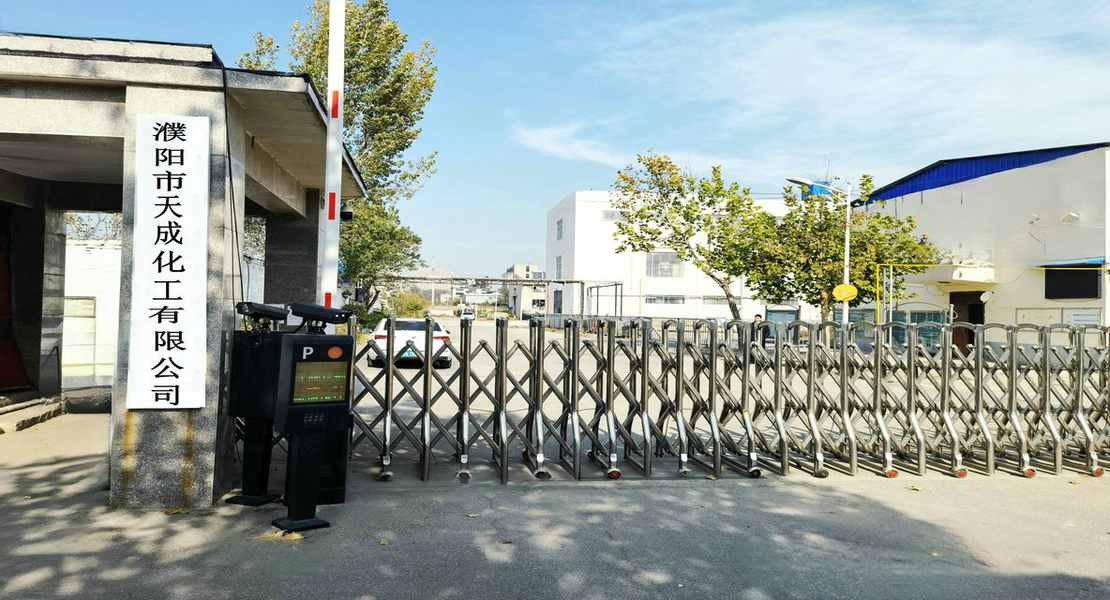
Located in Puyang High and New Technology Industrial Development Zones,Puyang Tiancheng Chemical Co.Ltd.,established in 2008, is a private petrochemical manufacturing enterprise with her own research center and production plants which is developed by the comprehensive utilization of ethylene by-products specializing in the production and exportation of 3A Molecular Sieve, 4A molecular Sieve,5A Molecular Sieve,13X Molecular Sieve,C5 Hydrocarbon Resin,C5 Petroleum Resin, Hydrogensted Petroleum Resin, MTHPA,MHHPA,Pentaerythritol,Dipentaerythritol,Tripentaerythritol,Monochloroacetic Acid,Chloroacetic Acid, N-Methylpyrrolidone and 1-Ethyl-2-pyyrrolidone and fine chemicals in a wide range. Our main products include 3A molecular Sieve,4A molecular Sieve, 5A Molecular Sieves,13X Molecular Sieves, ...
Our products are sold all over the world, you can rest assured.

Please send your request to us, all information and uploads will be secure and confidential.